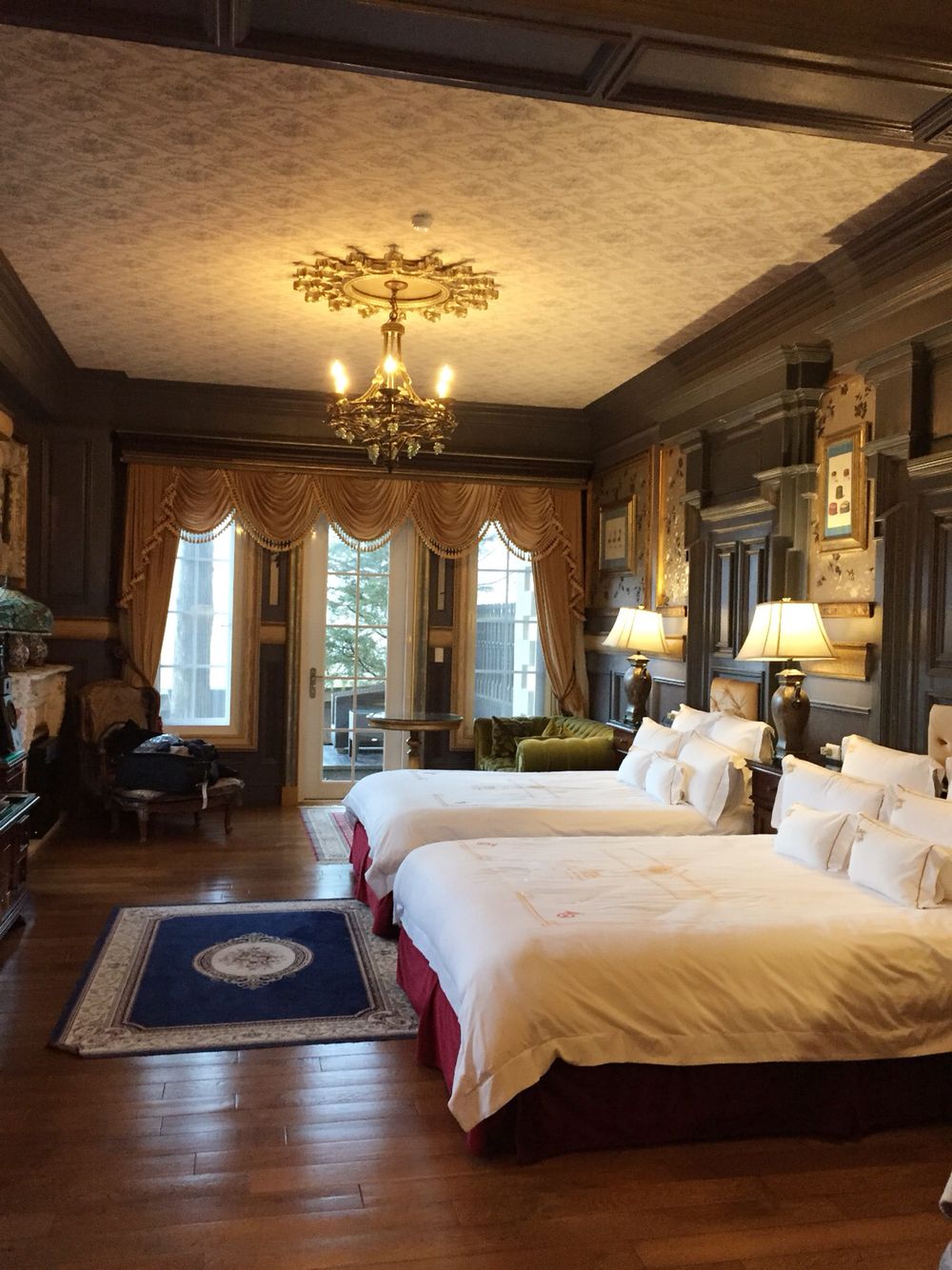
Luxury hotels have moved far beyond simply offering clean sheets and friendly service. Today, they focus on crafting immersive environments where every detail, from the lobby’s scent to the thread https://www.hotelshahenshah.com count of the bedsheets, is carefully curated. These establishments understand that modern affluent travelers seek not just a place to sleep but a sanctuary that pleases all five senses. The most successful luxury hotels blend architectural grandeur with understated elegance, creating spaces that feel both awe-inspiring and intimately personal. Whether perched on a cliffside or nestled in a bustling city center, these properties redefine what comfort and style mean in the 21st century.
Personalized Butlers and Custom Concierge Services
One hallmark of top-tier luxury hotels is the availability of 24/7 personalized butler service. Unlike standard concierge desks, these butlers learn guest preferences over time, from pillow firmness to preferred breakfast tea. They can unpack luggage, press suits for an unexpected meeting, or arrange a private yacht on an hour’s notice. Some hotels now offer multi-lingual digital butlers via tablet, allowing guests to request services with a single tap. This level of attention transforms a stay from merely comfortable to effortlessly indulgent, removing every possible friction point from the travel experience.
Opulent Spa and Wellness Integration
Modern luxury hotels treat wellness as a core pillar, not an afterthought. In-house spas feature rare treatments like gold-leaf facials, hot stone massages with heated marble beds, and aromatherapy using custom-blended essential oils. Many properties have thermal suites with saunas, steam rooms, and ice fountains. Some go further by offering private wellness coaches, sunrise yoga on rooftop gardens, and nutritionist-designed detox menus. This integration ensures that guests leave feeling better than when they arrived, turning a hotel stay into a holistic health retreat.
Gastronomic Excellence with Michelin-Starred Dining
Luxury hotels now compete with standalone restaurants by housing multiple Michelin-starred chefs. Dining options range from casual poolside cafes to formal tasting-menu venues with wine pairings curated by sommeliers. Many hotels offer private chef’s tables where guests watch meal preparation and interact with culinary artists. Room service, too, reaches new heights, delivering multi-course dinners on fine china with linen napkins. Breakfast buffets feature made-to-order omelets, fresh juices, and artisanal pastries. This culinary focus makes dining an integral part of the luxury experience, not just a necessity.
Architectural Splendor and Designer Interiors
The physical spaces of luxury hotels are designed by world-renowned architects and interior decorators. Expect soaring atriums with cascading chandeliers, hand-laid marble floors, and original artworks from contemporary masters. Guest rooms feature custom furniture, blackout curtains, smart lighting systems, and private balconies overlooking iconic landmarks. Bathrooms often include deep soaking tubs, rain showers, and heated towel racks. Every material, from Italian leather headboards to Egyptian cotton towels, is chosen for quality and texture. These design choices create an environment that feels exclusive, serene, and visually stunning.
Exclusive Access and Unique Experiences
Beyond the property itself, luxury hotels offer access to experiences unavailable to the general public. This might include after-hours museum tours, helicopter rides over coastal cliffs, or private shopping appointments with personal stylists. Some hotels have partnerships with luxury automakers to provide chauffeured Rolls-Royces for guest use. Others organize bespoke cultural immersions, such as cooking classes with local grandmas or photography tours at sunrise. These exclusive touches ensure that guests return home with stories as memorable as the hotel itself, cementing the property’s reputation for redefining comfort and style.